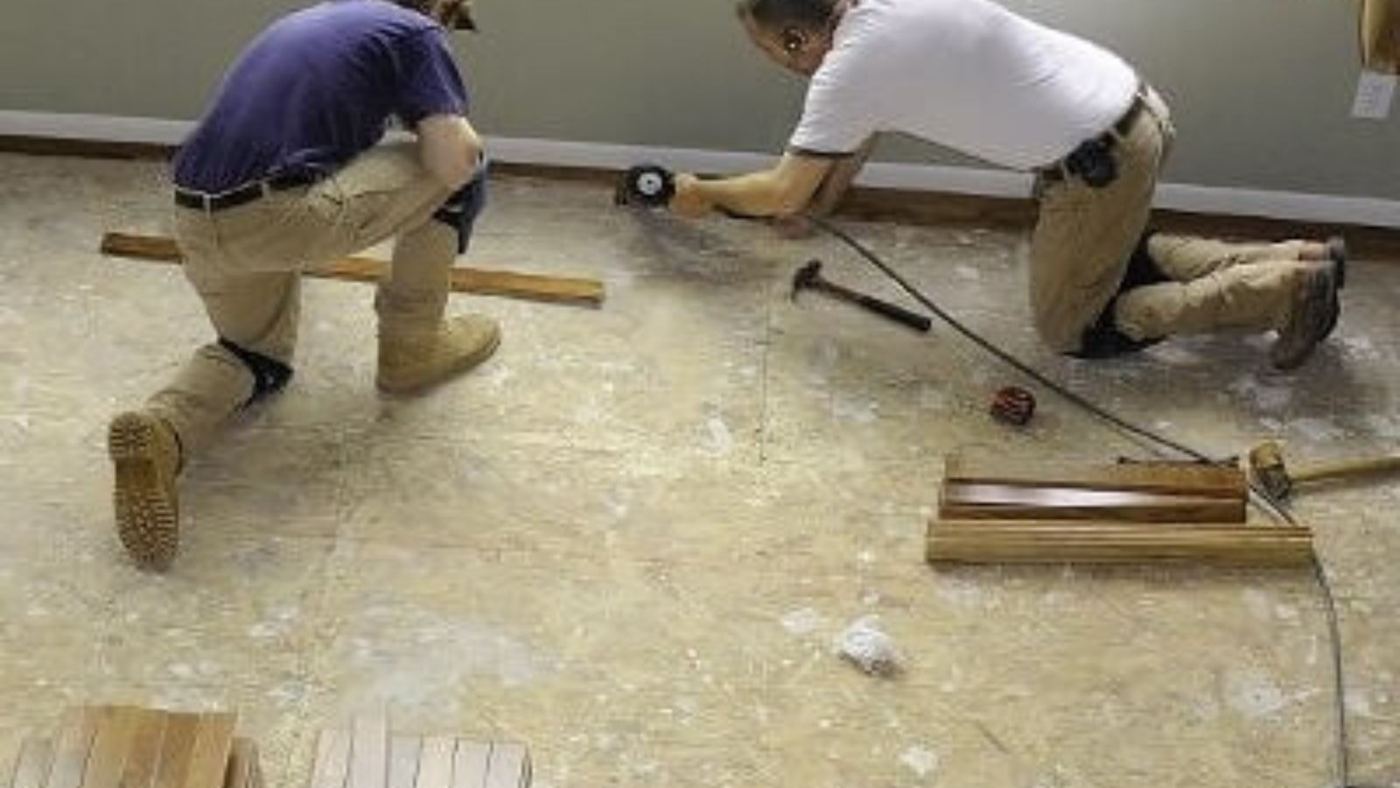
Repair starts when the structure is dry
Rebuilding too early is the most common repair mistake. If drywall is closed over wet framing, moisture stays trapped and the wall can stain, smell or grow mold again. A moisture reading before any panel goes up is not optional.
That is why repair calls often begin with a check of the readings from mitigation. If you did not have drying done, ask for a moisture check first. Repairs are quoted after the scope is walked through, and nothing starts until the scope and price are explained.
Ceiling and wall water damage repair
Ceiling and wall stains are the repair calls we hear about most. A brown ring on a ceiling usually means water traveled across a joist or through insulation from a roof leak, a plumbing line or an air conditioner drain above it.
The repair has four parts: find and stop the source, remove the damaged drywall, replace insulation if it got wet, and finish with texture and paint. Painting over a stain without opening it is a short-term fix, because the paper facing and the framing behind may still be wet.
Culver City's Building Safety Division lists minor sheetrock repair and painting among work that does not need a permit, while replacing a wall does. Ask the division about your scope before you start.
Repair scope, room by room
Every job gets its own scope, but these four areas cover most repairs.
Drywall and framing
Water-damaged drywall is cut out, framing is dried and checked and new drywall is hung, taped and textured to match.
Flooring and subfloor
Carpet, vinyl, tile and hardwood are repaired or replaced, and damaged subfloor is cut back to sound material.
Paint and finish
Primer, texture and paint restore the surface. Stain-blocking primer is used where a ring would bleed through.
Trim, cabinets and fixtures
Baseboards, door casing and cabinet bases that swelled are replaced and reinstalled.
Ready to schedule a repair scope?
Call dispatch and describe the stain, floor or wall.
Hardwood floor cupping, crowning and repair
Hardwood reacts to moisture by swelling at the board edges, which is called cupping, or by lifting at the center, called crowning. Cupping is the common sign after a leak, a washer overflow or a damp subfloor, and it can ease if the floor is dried slowly and evenly.
A short-term fix is to find the moisture source, dry the floor with dehumidification and wait before judging the damage. If boards stay raised after the floor is dry, sanding and refinishing can level them. Boards that are cracked, stained black or loose from the subfloor are replaced.
Ask for a moisture reading on the subfloor before any sanding. Sanding a floor that is still wet leads to gaps and re-cupping.
Repair, replace or leave alone?
A quick guide to common materials. The crew confirms on site after taking readings.
| Material | Often repaired when | Often replaced when |
|---|---|---|
| Drywall | Staining is limited and the board is firm and dry. | It is soft, swollen or wet through to the paper. |
| Hardwood floor | Cupping eases after slow drying. | Boards are cracked, black or detached. |
| Carpet and pad. | Clean water, quick action. | Contaminated water or long exposure. |
| Cabinet bases | Solid wood that dried flat. | Particle board that swelled. |
| Insulation | Rarely saved once soaked. | Almost always when wet. |
How repair is scheduled
The order below keeps the project from stalling. Each step is explained before work begins.
- Confirm dry. Moisture readings are checked on every material that will be covered.
- Agree the scope. The written scope lists what is removed, rebuilt and finished, with the price explained.
- Rebuild. Drywall, flooring, trim and cabinets are installed in the order that protects finished surfaces.
- Finish. Texture, primer and paint are applied, and the crew checks the surface in daylight.
- Walk-through. You review the work with the crew and receive your documents for the file.
What sets the price of water damage repair
Repair prices depend on scope and materials. These factors move the number.
Affected area
One ceiling patch costs less than a room of drywall, flooring and paint.
Materials
Hardwood and tile cost more to match than carpet or vinyl.
Structural scope
Replacing framing or subfloor adds steps that a surface repair does not.
Finish matching
Matching texture, paint and trim to an older home takes extra time.
Insurance and repair
Sudden and accidental water damage is often covered, while gradual leaks and wear are often not. Flood losses usually need a separate flood policy. The California Department of Insurance advises reading the exclusions in your policy, since earthquake, flood, earth movement and wear and tear are among the common exclusions.
Ask your insurer what your policy covers before repairs are scheduled, and keep the scope, photos and receipts together. Questions about your scope are welcome on the dispatch line at (424) 550-5662.
Permits and repairs in Culver City
The city's Building Safety Division publishes a list of work that needs a permit. It includes new or replacement water piping, sewer line repair or replacement, water heater replacement, shower wall repair or enclosures, termite or dry rot repair, and replacement of a wall. It lists stopping leaks without replacing pipe and minor sheetrock repair as not needing one.
The list is not exhaustive, so confirm with the division at (310) 253-5800 or building.safety@culvercity.org. The office is at City Hall, 9770 Culver Blvd, and it is open Monday to Friday, with City Hall closed on alternating Fridays.
Water damage repair questions from Culver City
It depends on the scope. The Building Safety Division lists pipe replacement, wall replacement and dry rot repair among work that needs a permit, and minor sheetrock repair among work that does not. Ask the division at (310) 253-5800 about your project.
Painting hides a stain but does not remove the cause. Find and stop the source, check the material for moisture and replace anything that is soft or wet before you paint.
Repairs start once moisture readings reach the dry standard for each material. The crew checks this instead of waiting a fixed number of days.
A good finisher can match common textures, although older or hand-applied textures take more time. Ask to see a test patch before the whole wall is done.
Not always. Mitigation and repair are different trades, and the dispatcher will say who is doing which step. Either way you get a written scope and price first.
Yes. For active leaks and standing water see emergency water removal or water mitigation. The line is open 24/7.