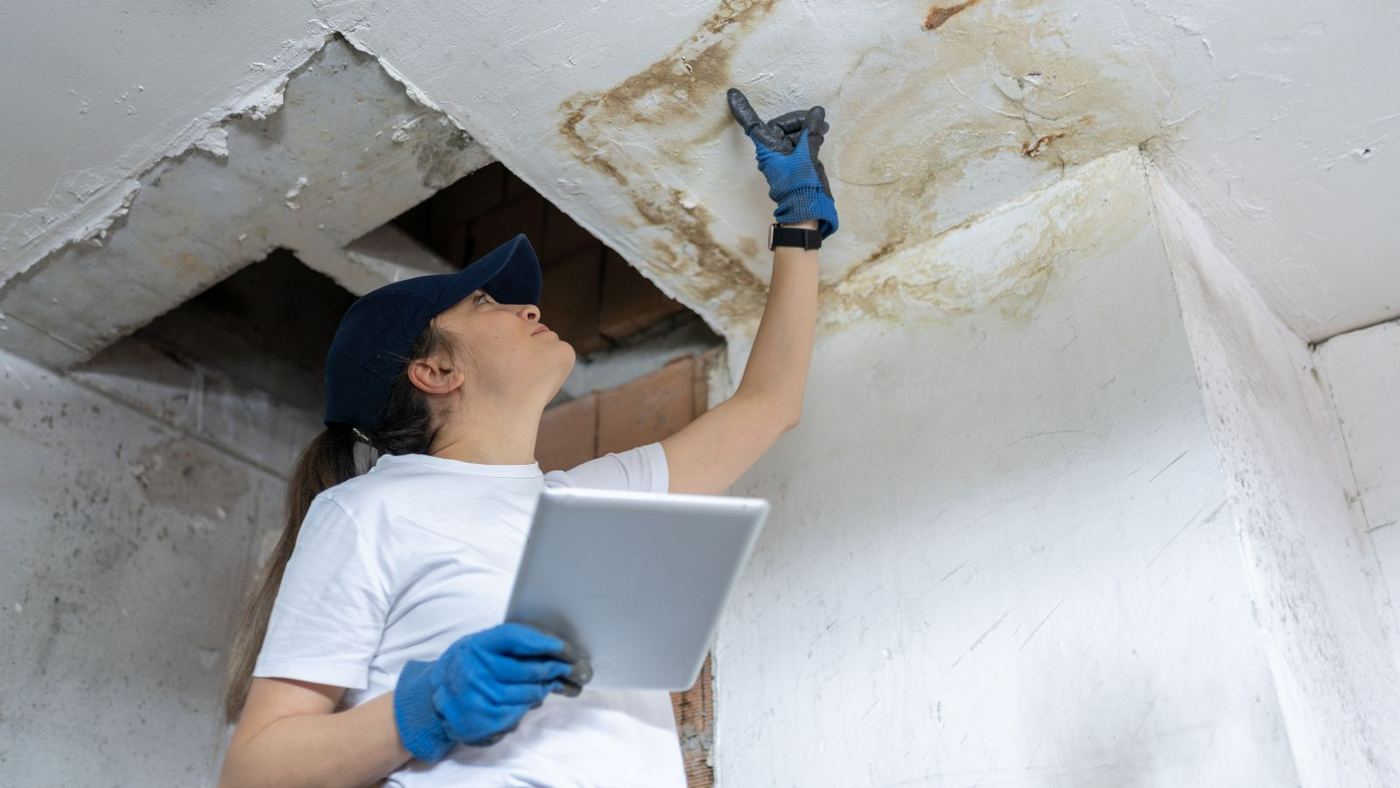
What an adjuster does
An adjuster works for the insurer, an independent firm or sometimes for the policyholder. The adjuster reviews your policy, inspects the damage, decides what falls under coverage and writes an estimate. The adjuster is not your contractor and does not do the repair.
Their job is to match the loss to the policy language. That is why your photos and records matter, and why you should know what your policy says before the visit.
Before the adjuster arrives
A little preparation makes the visit shorter and clearer.
- Stop more damage. Mitigation steps such as water removal and drying are usually expected under the policy. Keep receipts.
- Collect your documents. Have your policy, claim number, photos and the contractor's scope ready.
- List damaged items. Write down each item, its age and roughly what it cost.
- Save damaged items. Keep items when safe, because the adjuster may want to see them.
- Prepare questions. Write down what you want to ask about scope, deductible and timing.
What the adjuster looks for
Expect the adjuster to look at the source of the water, the age and condition of the materials and the extent of the damage. They may use a moisture meter. They will ask when you noticed the problem and what you did.
If the loss was sudden, say so and show the evidence. If it was gradual, be honest about it. Misstatements can cause bigger problems than a coverage exclusion does.
Want records ready before the adjuster arrives?
Call the 24/7 line and ask for mitigation and a written scope.
Records that help, and who provides them
These items help explain what happened. Most come from the restoration crew.
| Record | What it shows | Where it comes from |
|---|---|---|
| Photos and video. | Condition before cleanup. | You and the crew. |
| Moisture readings | Which materials were wet and when they dried. | Restoration crew |
| Drying log | Equipment and days of drying. | Restoration crew |
| Written scope | What was removed and rebuilt. | Restoration or repair contractor. |
| Receipts | Emergency and repair costs. | You |
After the visit
Ask the adjuster for the estimate in writing and compare it with your contractor's scope. If there are differences, ask what they are based on. Differences are normal, and they can often be explained with readings and photos.
Keep notes of every call with the insurer, with the date and the person's name. If the estimate leaves out damage you can prove, ask how to submit more documents. A restoration crew can provide its scope and readings, but it cannot argue coverage for you.
Handling disagreements politely and in writing
If the adjuster's estimate looks low, ask for the reasoning in writing and send your own scope with photos and moisture readings. Keep the tone factual. Most differences come from scope, such as whether a wall is repaired or replaced, rather than from bad faith.
If you cannot resolve it with the adjuster, ask for a supervisor, and read your policy for appraisal or dispute steps. The California Department of Insurance helps consumers with improper denial or delay, and it is a legitimate next step if the claim stalls.
A short checklist for the visit
Put these in a folder before the adjuster knocks.
- Photos and video of every wet area, taken before cleanup.
- Your policy number and the claim number.
- Moisture readings and the scope from your restoration crew.
- A list of damaged belongings with ages and costs where known.
- Notes on dates and times of every call.
What the California Department of Insurance says
The department's guidance on homeowners and renters policies says that dwelling coverage protects your house and attached structures if a covered peril damages them. It adds that other structures are normally limited to 10 percent of the dwelling coverage limit. It lists earthquake, flood, earth movement and wear and tear among the perils that are usually excluded.
It also says it can help with issues such as improper denial of a claim or delay in settlement. Those lines help Culver City homeowners prepare for an adjuster visit by knowing what to read in the policy. See emergency water removal for the first-day records and Marina del Rey if you live on the coast.
Related pages
Read more about water mitigation and water damage cleanup, see how dispatch works in Marina del Rey, or check the service areas page for coverage.
Talk to dispatch about your situation
Call the 24/7 line and describe what you see. Scope and price are explained before work starts.
Adjuster visit questions from Culver City homeowners
It can help if the crew can explain readings and scope. Ask your insurer whether that is welcome.
Policies and insurers differ, so ask your insurer what is required. Do not assume either way.
Ask for the basis in writing, share your records and ask about the insurer's review process. The California Department of Insurance can help with improper denial or delay.
Not before the adjuster has seen them or approved disposal, unless they are a health or safety risk. Photograph them first.
A flood claim goes through a flood policy, not a standard homeowners policy, which usually excludes flood. Check which policy applies and call the right insurer.