Start by drying, not by sanding
Wood holds water longer than drywall and releases it slowly. Sanding, filling or painting wet wood traps moisture and invites rot or mold. The first step is always to stop the water and dry the wood to a stable moisture level.
A moisture meter is the right tool. Wood framing in a normal home sits at a moderate moisture content, and a crew compares readings in the damaged area with readings in dry areas of the same wood. Ask the crew to share the numbers.
Repair or replace: a quick test
Run a simple test on each piece of wood after it has dried.
| Test | What you find | Usual decision |
|---|---|---|
| Press with a screwdriver tip. | Firm, no sinking. | Repair, refinish or leave in place. |
| Press with a screwdriver tip. | Soft, crumbles or sinks in. | Replace the section. |
| Look at color. | Light stain only. | Sand and refinish. |
| Look at color. | Black stain or fuzzy growth. | Inspect for mold and rot, often replace. |
| Check for warping. | Slight and stable after drying. | Often acceptable for framing, not for visible trim. |
Wood parts and what happens to them
Each part of a home reacts differently to water.
Structural framing
Studs, joists and plates are dried in place when sound. Rotted sections are repaired by sistering or replacing.
Baseboards and trim
These often swell and are replaced, because matching profile and paint is simple and cheap compared with refinishing.
Cabinets
Solid wood bases can dry flat, while particle board swells and is replaced.
Furniture
Solid pieces can be dried slowly and refinished. Veneer lifts and is harder to save.
Not sure if your wood can be saved?
Call the dispatch line and ask about a moisture check.
Drying wood without damaging it
Wood dries best when the air around it is dry and moving, not hot. Dehumidifiers and air movers are used, and heat is avoided because fast drying splits or warps boards. For framing, small openings in drywall or baseboard let air reach the wood.
Dry slowly and recheck. If wood stays wet because of a leak you have not found, repairs will fail. The water mitigation page explains how drying is planned and measured, and why the crew returns to take readings.
Dry rot and why it needs fast attention
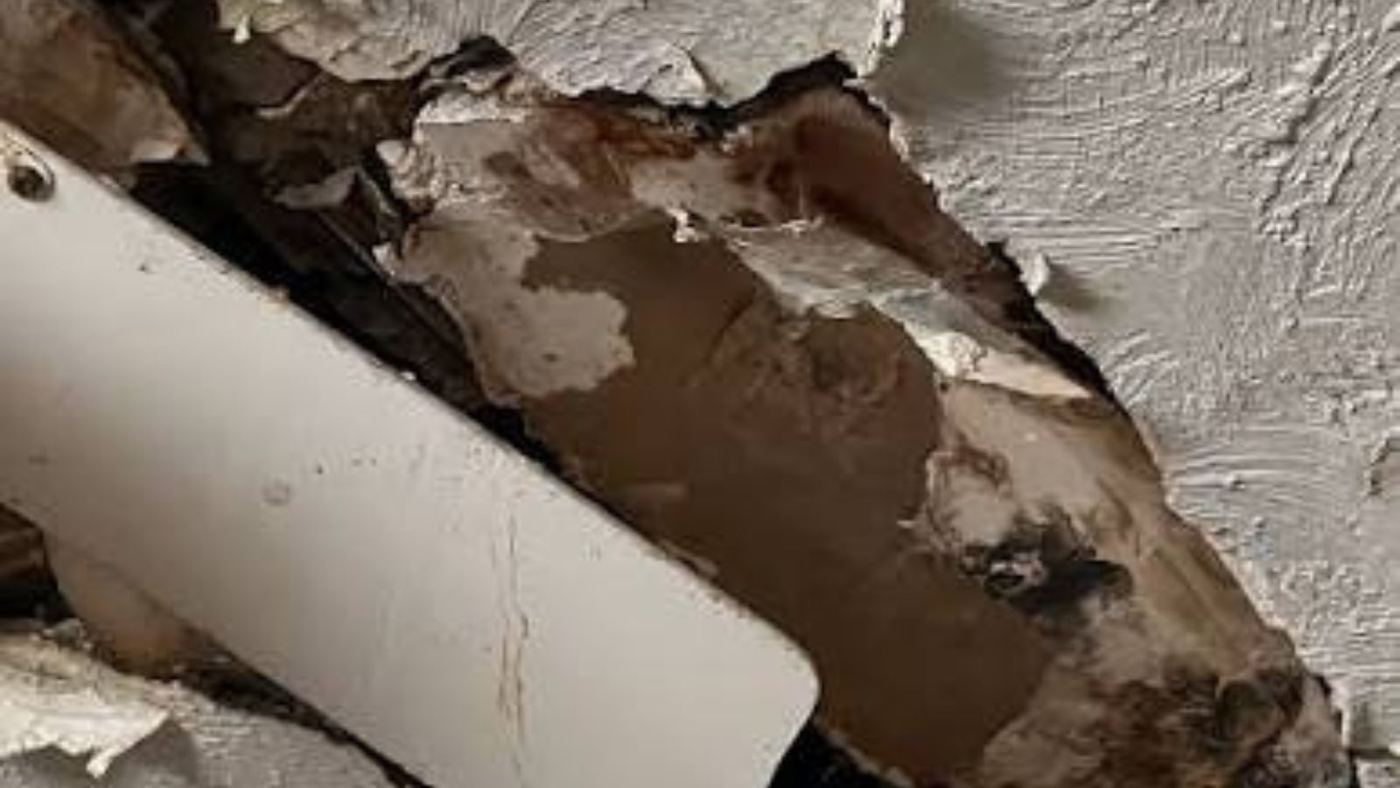
Dry rot is a decay fungus that weakens wood that has stayed damp over time. It leaves wood brittle, cracked and cubed, and it can spread through moist wood. Fixing the moisture source and replacing decayed sections are the only long-term fixes.
If you find rot in framing near a shower, a window or a roof edge, bring in a repair crew. A rebuild after rot is not a cosmetic patch, and permit questions may apply. Water damage repair follows drying and source repair, as the repair page explains.
Before you pick up tools
Safety and sequence matter more than speed.
- Confirm the water source is stopped and the wood is dry.
- Wear gloves, a mask and eye protection when cutting or sanding old, damp wood.
- Check for electrical wiring and plumbing inside the wall before cutting.
- Do not paint over wood until it has been dry for the time a crew recommends.
- Photograph the damage before repair for your insurer.
Choosing a repair method
Small dents and surface stains can often be sanded and refinished once the wood is dry. Splits and soft spots may need epoxy consolidators or a patch piece, which a carpenter can cut to match the grain. Heavily rotted members need replacement, sometimes with a sistered new board alongside the old one.
The right method depends on the load the wood carries. Trim and cabinets forgive cosmetic repairs. Framing and subfloors do not, and a structural question belongs to a licensed professional who can look at it in person.
Repair options at a glance
Costs vary, so the table compares approaches rather than prices.
| Option | Best for | Limit |
|---|---|---|
| Sand and refinish. | Surface stains and light swelling. | Does not fix soft wood. |
| Consolidant and filler. | Small soft spots in non-structural wood. | Not for load-bearing parts. |
| Patch piece | Localized damage in trim or flooring. | Needs a grain and color match. |
| Full replacement | Rotted or structural members. | Needs permits in some cases. |
Culver City permits for rot and wood repair
The Building Safety Division lists termite or dry rot repair, shower wall repair or enclosures and wall replacement among repairs that need a permit. It lists painting and minor sheetrock repair as work that does not. Those lines matter when decayed framing is found behind a shower or a wall.
Call (310) 253-5800 before work begins. Permit rules are set by the city, so we point you to them instead of guessing. Coastal addresses in Marina del Rey follow county rules.
Related pages
Read more about water damage repair and water mitigation, see how dispatch works in Marina del Rey, or check the service areas page for coverage.
Talk to dispatch about your situation
Call the 24/7 line and describe what you see. Scope and price are explained before work starts.
Water damaged wood questions from Culver City
Often, if it is dried slowly, the source is fixed and the wood stays firm. Soft, crumbly wood is usually replaced.
Dense wood and framing take longer than carpet or drywall, and the exact time comes from readings. A crew tracks them and tells you when the wood is stable.
Rot from long-term moisture is often excluded as wear or neglect, while rot that follows a covered sudden loss may be treated differently. Ask your insurer and read your policy.
The Building Safety Division lists termite or dry rot repair among work that needs a permit. Call (310) 253-5800 to confirm for your project.
Solid pieces that dried flat and firm can often be refinished at home. Veneer and antiques are best left to a restorer.