Safety before cleanup
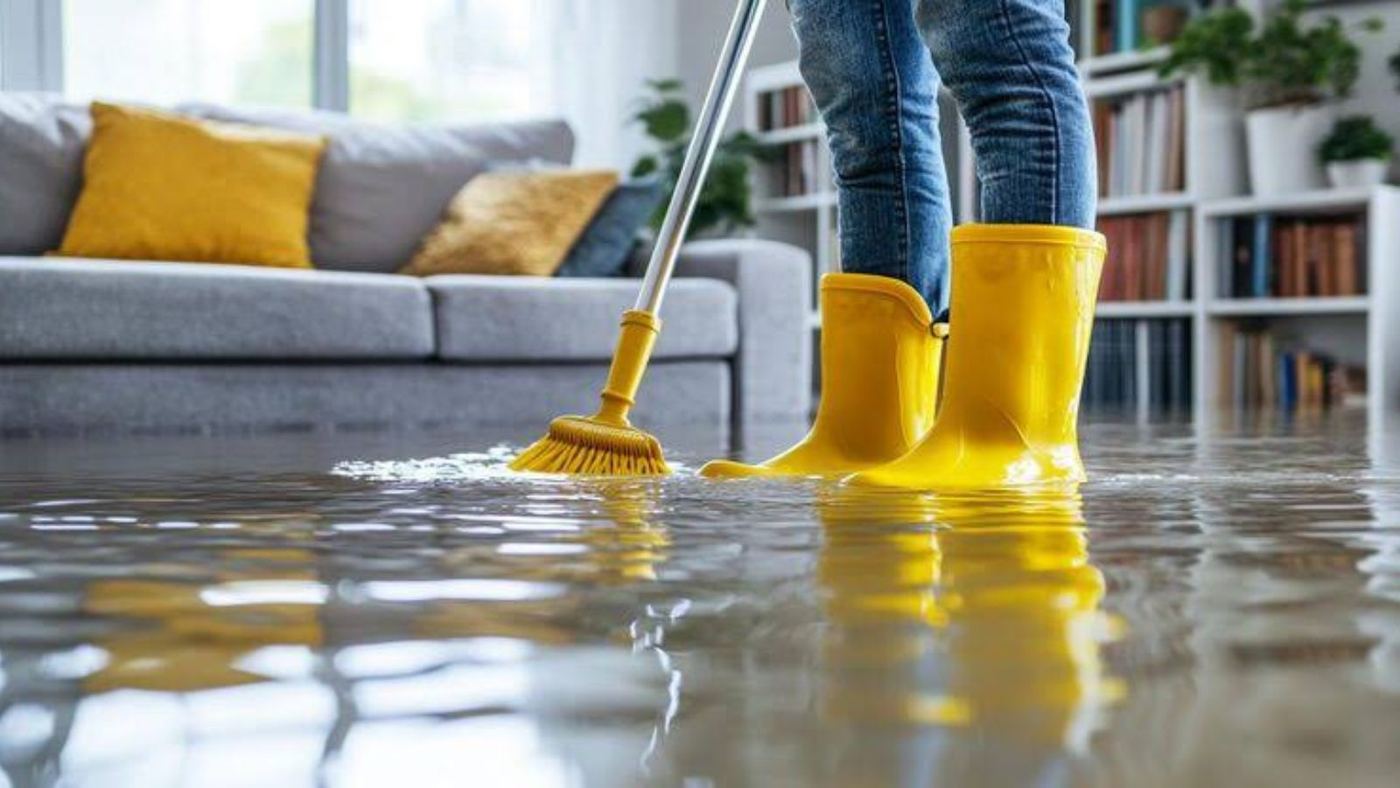
Floodwater can hide hazards. Power lines, submerged outlets, broken glass and sharp debris are all possible, and the water itself may carry bacteria from drains and the street. Do not wade through it without boots and gloves, and do not touch anything electrical while standing in water.
Call 911 for any electrical, gas or life safety risk before you call a restoration crew. Do not run the washing machine or flush toilets if sewage could be involved. Turn off the main water valve only if you can reach it without stepping in water.
What to throw out and what can be cleaned
Floodwater is normally treated as grossly contaminated under the ANSI/IICRC S500 standard. That changes what can be saved.
| Item | After flood water | Why |
|---|---|---|
| Carpet and pad. | Usually removed | Porous materials hold bacteria that cleaning cannot reliably reach. |
| Drywall and insulation. | Usually removed if soaked. | They wick water and stay wet inside the wall. |
| Solid wood furniture. | Often cleaned and dried. | Dense wood can be washed and dried slowly. |
| Upholstered furniture and mattresses. | Usually discarded | Fabric and foam cannot be sanitized reliably. |
| Concrete, tile and metal. | Cleaned and sanitized. | Hard surfaces can be washed and disinfected. |
| Documents and photographs. | Set aside for specialist handling. | Freeze or air dry carefully, and do not scrub. |
A cleanup sequence that works
Follow this order. It keeps you safe and prevents rework.
- Photograph first. Take photos and video of the water line and damaged items before anything is moved.
- Remove standing water. Pumps and extraction units pull the bulk of the water. A crew with a truck-mounted unit works faster than a wet vacuum.
- Remove soaked materials. Carpet, pad, insulation and drywall that were underwater are cut out and bagged.
- Wash and sanitize. Hard surfaces are washed with detergent and treated with an antimicrobial.
- Dry the structure. Air movers and dehumidifiers dry framing and slabs, and readings confirm the result.
Need a crew for flood cleanup?
Call the 24/7 line and describe the water.
When to call a professional
Call a crew when water came from outside, when it is more than a few inches deep, when sewage is involved or when you are unsure what is safe. Floodwater cleanup is physical work, and the risks of contamination and electrical hazards are real.
Most flood jobs also need drying equipment that homeowners do not own. An LGR dehumidifier and a set of air movers are far more effective than household fans. If you want to understand what cleanup involves, read about emergency water removal or water damage cleanup before you call.
Mold after floodwater
Floodwater leaves a lot of moisture behind, and mold needs moisture to grow. The EPA says water-damaged areas and items should be dried within 24 to 48 hours to prevent mold growth, which is why floodwater cleanup moves fast.
If your home stayed wet for days before cleanup began, ask for a moisture check and an inspection. Mold remediation deals with growth that has already started, and the work begins by finding the moisture source.
Protecting your health while you clean
Floodwater can carry sewage, chemicals and debris, so treat every wet surface as contaminated until a crew says otherwise. Wear waterproof gloves, boots and eye protection, and wash your hands often. Keep children, older adults and pets away from the work area.
Cuts and scrapes are the quickest way to pick up an infection, so cover any open skin and clean wounds right away. If you feel unwell after a cleanup, talk to a physician. A contractor cannot give medical advice.
Typical items after floodwater
A rough guide only. Your insurer and the crew make the final call.
| Item | Usually | Reason |
|---|---|---|
| Carpet and pad. | Removed | Contaminated water soaks deep into fibers and padding. |
| Upholstered furniture | Often discarded | Cushions hold contaminated water and are hard to sanitize. |
| Solid wood furniture. | Often cleaned | Hard surfaces can be washed and dried. |
| Drywall near the floor. | Often cut out. | Wet gypsum weakens and can hold contamination. |
| Mattresses and soft toys. | Discarded | They cannot be reliably sanitized. |
Culver City flood facts worth knowing
The Culver City Fire Department says a Flood Watch means a flood is possible in your area, while a Flood Warning means one is occurring or will soon occur. It also says not to enter flooded subterranean garages or any below-grade part of a building, and that water as shallow as six inches deep may sweep a person away.
For sandbags, the department says residents may take up to 10 per household, self-serve, at the rear of the headquarters fire station at 9600 Culver Blvd. The Office of Emergency Management is at (310) 253-5900. Check the Marina del Rey page if you live on the coast, where storm and harbor water can add to the picture.
Related pages
Read more about flood damage restoration and water damage cleanup, see how dispatch works in Marina del Rey, or check the service areas page for coverage.
Talk to dispatch about your situation
Call the 24/7 line and describe what you see. Scope and price are explained before work starts.
Flood cleanup questions from Culver City
Floodwater from outside is normally treated as contaminated. Treat it that way until a crew with the right gear tells you otherwise.
It depends on the area and the materials. Pumping and removal often take a day or two, and drying takes several days. Readings, not the calendar, show when the work is done.
You can handle a small area of clean water. Anything involving contamination, depth or electrical risk should go to a crew.
Smell usually means something is still wet or contaminated. Remove soaked materials, clean surfaces and dry the structure, then reassess.
The fire department says sandbags are available self-serve at the rear of the headquarters station at 9600 Culver Blvd, up to 10 per household. Check the city's storm notices for the latest locations.