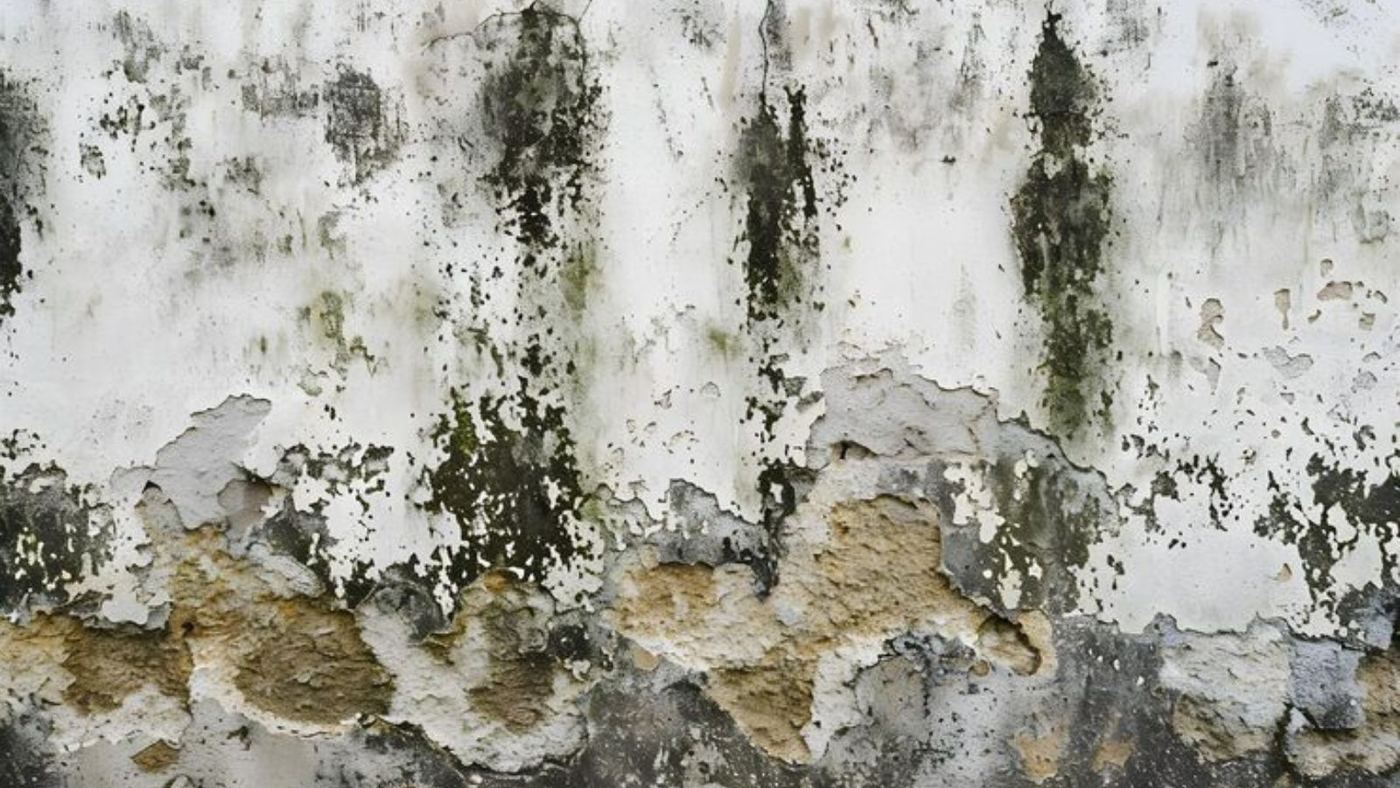
What people mean by black mold
Black mold is a common name for dark mold growth, and it is often used for one species in particular. Growth that looks black can come from many kinds of mold, and growth that looks green or gray can be the same species at a different stage.
That is why color is a poor guide. Only a trained inspector or laboratory testing can identify what is present. For a homeowner, the useful question is not the color but how much material is affected and where the moisture is coming from.
Mildew and mold compared
These descriptions are general and not a diagnosis.
| Feature | Mildew | Mold |
|---|---|---|
| Typical look | Flat, powdery or downy, white, gray or yellow. | Fuzzy, slimy or spotted, in many colors. |
| Where it grows. | Surfaces like tile, grout, windowsills and fabric. | Surfaces and inside materials such as drywall and wood. |
| How it behaves. | Often wipes off a hard surface. | May return or penetrate porous materials. |
| Common places | Showers, windows, damp fabric. | Walls, ceilings, insulation, wood framing. |
| Moisture need | Persistent dampness | Persistent dampness or water damage. |
Why the difference matters less than the moisture
The EPA states that the key to mold control is moisture control. Whether you call a patch mildew or mold, the cause is a wet or damp surface, and the fix starts with the water.
A bathroom with poor ventilation, a leaky window seal, a plumbing drip or a flooded floor will keep growing the same growth until the moisture is stopped. Cleaning the surface without fixing the source is a short-term fix.
Want a crew to take a look?
Call the dispatch line and describe what you see.
What to do about either one
The basic steps apply to mildew and to mold.
- Fix the water source. Repair leaks, improve ventilation and dry wet materials.
- Clean small hard surfaces. Wipe tile and sealed surfaces with detergent and water, wearing gloves and a mask.
- Remove porous materials. Drywall, insulation and ceiling tiles with growth are usually removed, not cleaned.
- Dry and recheck. Dehumidify and watch for return.
- Call for help when growth spreads. Large or recurring growth needs inspection and containment.
Testing and what it can and cannot tell you
Testing can show what is present and how much, and clearance testing after remediation can check results. It does not replace fixing moisture, and it does not answer health questions.
Health concerns belong to a physician. A contractor cannot diagnose illness or make claims about health from a test result. The mold remediation page explains the inspection, containment, removal and drying that follow when mold is confirmed.
After a leak or flood
If growth appears after a leak or flood, it means materials stayed wet. The EPA says water-damaged areas and items should be dried within 24 to 48 hours. If you missed that window, a moisture check can tell whether walls and floors are still wet.
Water mitigation dries the structure and reduces the chance that growth returns. If the water was contaminated, treat the area as a flood damage job.
What to photograph for your records
Photos help an inspector or an insurer later.
- Wide shots that show the room and where the growth sits.
- Close-ups with a coin or ruler for scale.
- The suspected moisture source, such as a pipe, vent or window.
- Any water stains or bubbled paint nearby.
- A dated note on when you first saw it.
Why the label matters to labs, not to your plan
Laboratories sort mold by genus and species, and that information helps in rare cases. For a homeowner deciding what to do next, the label rarely changes the plan, because the response to visible growth is to find the water and remove or clean the affected material.
That is also why fear based on color is not useful. Treat all growth seriously, keep the area dry and ask a qualified inspector what the situation needs.
Marina del Rey and coastal addresses
In Marina del Rey, an unincorporated community of Los Angeles County, the Los Angeles County Waterworks Districts operate the water system for the county's Department of Beaches and Harbors and list a water emergency line at 1-800-675-HELP. A leak in a multi-unit building there can reach neighboring units, so report it to your property manager as soon as you find it.
For permits and repairs in Marina del Rey, ask Los Angeles County which office covers your address. The Marina del Rey page explains how dispatch works there, and the service areas page lists coverage for Culver City.
Related pages
Read more about mold remediation and water mitigation, see how dispatch works in Marina del Rey, or check the service areas page for coverage.
Talk to dispatch about your situation
Call the 24/7 line and describe what you see. Scope and price are explained before work starts.
Black mold and mildew questions from Culver City
Color does not identify a species, and health questions belong to a physician. Treat any significant growth as a reason to find the moisture and arrange removal.
On hard, sealed surfaces, often yes, with gloves and a mask. If it returns, look for the moisture source.
A test can identify types and levels, but it is not required to decide to fix moisture and remove damaged materials.
Because the moisture source is still active, whether that is a leak, poor ventilation or condensation.
Report water and mold to your property manager, and ask the county about permits. A crew can document each affected unit.